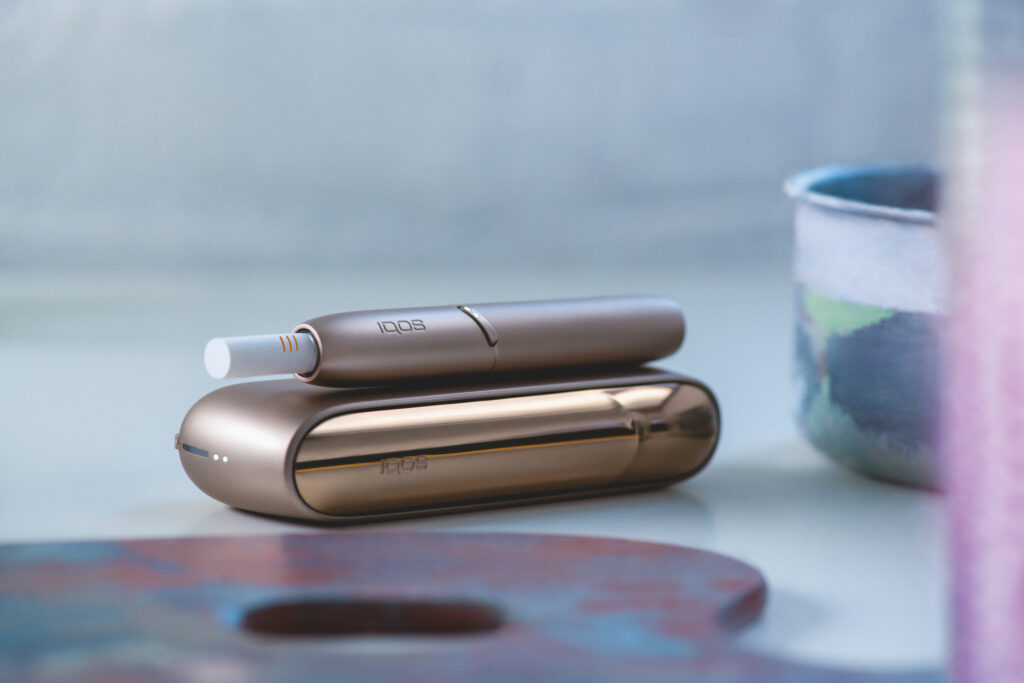
Philip Morris International (PMI) is widely known as a tobacco giant. But over recent years, the company has publicly rebranded parts of its identity around “smoke-free” products, especially its flagship IQOS heated tobacco system. Behind that shift lies a complex interplay of technology, regulation, corporate responsibility, investor pressure, and public health concerns.
In the ESG (Environmental, Social, Governance) space, PMI is trying to reposition itself—from “tobacco company” to “smoke-free innovator.” That journey is controversial, difficult, and full of challenges, but it is shaping how the company is judged on sustainability, investor metrics, and public legitimacy.
TL;DR
PMI is pushing the IQOS heated tobacco system as part of its ESG strategy, aiming to reduce harm compared to cigarettes, boosting smoke-free revenues, and improving sustainability metrics. The company has achieved external recognitions (e.g. inclusion in Dow Jones Sustainability indices, ESG “Prime” status) and published ESG KPI protocols.
Public reviews are mixed: supporters cite science, progress, and transparency; critics warn of greenwashing, unresolved health debates, and reliance on nicotine. If you want to understand PMI’s ESG story through IQOS, this is a snapshot of where it stands, what critics say, and what to watch going forward.
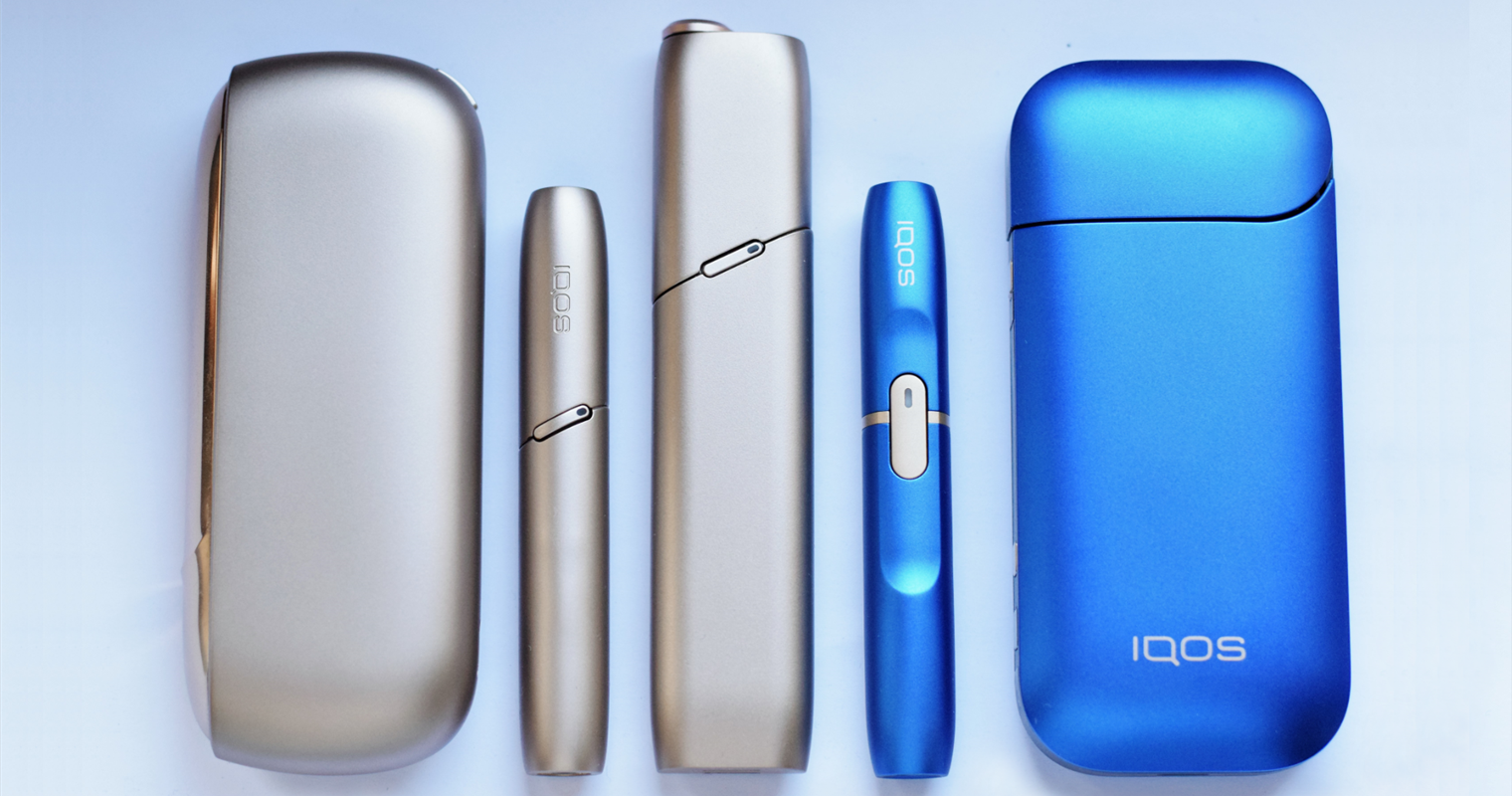
The IQOS / PMI ESG Strategy: Vision & Moves
From Combustion to Heat — A Strategic Shift
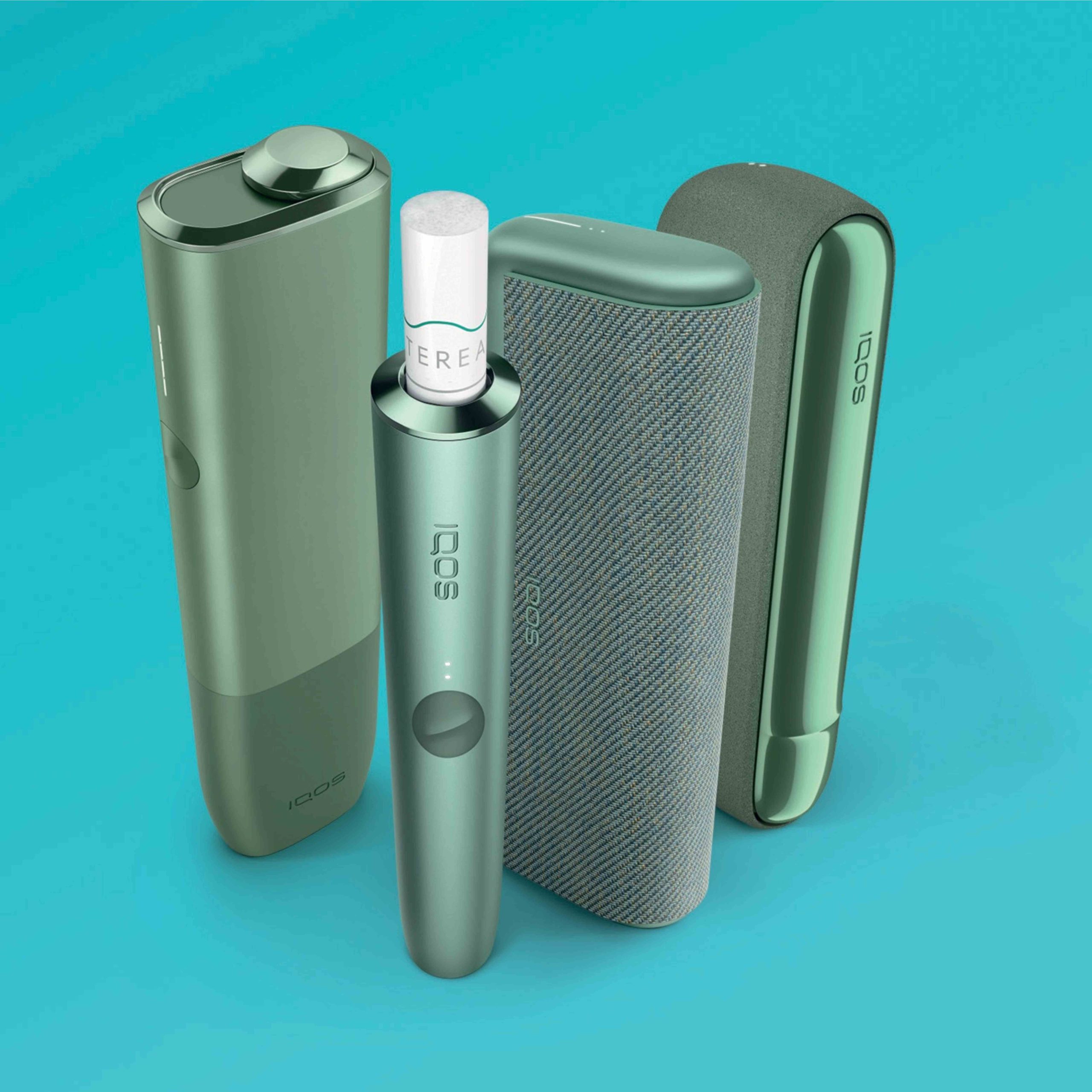
PMI’s core ambition has become delivering a smoke-free future. That means pivoting away from combustible cigarettes toward alternatives that heat tobacco or deliver nicotine without burning. IQOS is central—nearly 40% of PMI’s net revenues in recent reports come from smoke-free products, surpassing its traditional cigarette business in some regions.
ESG Recognition & Ratings
- PMI was included in the Dow Jones Sustainability World Index—a signal of external recognition in ESG circles.
- Its ISS ESG Corporate Rating was upgraded to “Prime” status, meaning it exceeded sector-specific thresholds in ESG performance.
- PMI publishes a detailed ESG KPI Protocol, outlining 19 metrics tied to its 2025 roadmap (covering GHG emissions, supply chain, social metrics).
- In 2024 reporting, PMI maintained a “Medium ESG Risk” classification and scored ~26.6 in certain risk metrics.
- They’ve also scored high in S&P Global’s Corporate Sustainability Assessment, with an 85/100 in 2023 for ESG performance.
These moves show PMI is serious about integrating ESG into its corporate identity—especially the “governance, transparency, measurement” aspects.
Product Science & Transparency
PMI claims that by avoiding combustion, IQOS devices reduce the formation of harmful chemicals. Their PMI Science arm publishes research and holds “Open Science” sessions to share methodology and findings.
In regulatory settings, parts of the IQOS platform have gained FDA authorization for marketing as Modified Risk Tobacco Products (MRTPs) in the U.S., suggesting that regulators see some risk reduction potential (though not “safe”).
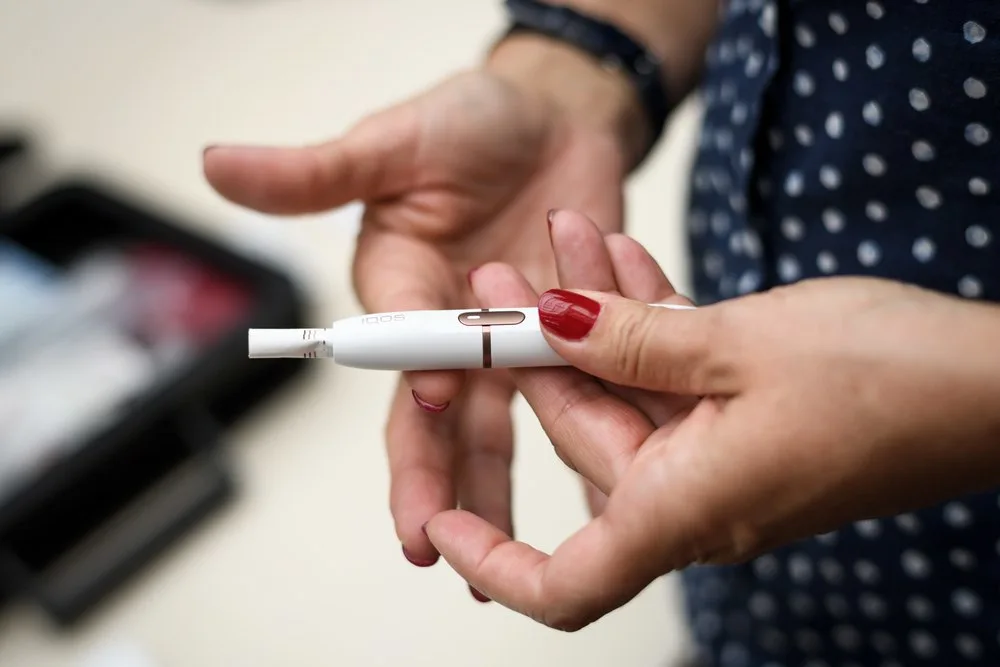
Customer & Public Perceptions
Because this is a health-adjacent product, “customer review” is trickier than in consumer goods—but there are public comments, media reviews, and controversies worth noting.
“IQOS is a less bad option” — Some users report switching from cigarettes to IQOS and feeling fewer respiratory symptoms or odor.
“In my region, IQOS is more expensive, harder to obtain, and not universally accepted by regulators or public health groups.”
“The device feels premium, the heat is less harsh than cigarette burn. But the consumables cost and maintenance remain burdens.”
“Their ESG claims are bold—but I worry whether they gloss over the underlying nicotine addiction.”
In media coverage:
- Some scientists and public health organizations caution that long-term safety of heated tobacco is still under study, and that reduced harm is not the same as “safe.”
- Critics warn that PMI’s ESG pivot risks being a form of greenwashing: marketing nicotine products under the guise of sustainability.
- Also, the regulatory environment is patchy: some jurisdictions restrict or ban IQOS or heated tobacco, making adoption uneven.
So while many users report subjective benefit (less smoke smell, less throat irritation), the health science and broader legitimacy remain under scrutiny.
What Looks Strong, What Is Under Watch
Strong Points
- Transparency & Metrics — Publishing a KPI Protocol, publicly disclosing emissions, ESG scores, etc., helps build credibility.
- Revenue Shift — Growing share of smoke-free product revenue shows real business commitment, not just narrative.
- External Validation — Inclusion in recognized ESG indexes and obtaining “Prime” status are concrete signals in investor circles.
- Scientific Infrastructure — Having a dedicated science division, open research, and regulated MRTP designations suggest serious R&D investment.
Areas to Monitor / Challenge
- Health Evidence — The long-term effects of heated tobacco remain under scientific study; claims of “less harmful” are conditional on many assumptions.
- Addiction & Ethics — Nicotine remains addictive; the social impact and consumer protection side (especially for youth) is contested.
- Greenwashing Risk — Because the core product is still nicotine delivery, there’s a fine line between credible transition and marketing spin.
- Regulatory Risk — Changes in law, taxation, bans, or approval withdrawals could undermine the business.
- Consumer Trust & Reputation — For many, PMI’s cigarette legacy is a barrier; trust must be rebuilt via consistent actions over time.
Bottom Line
PMI’s journey with IQOS represents one of the boldest pivots in a controversial industry. It’s not enough to declare a smoke-free future—you must prove it in science, accountability, transparency, and social responsibility.
IQOS stands at the crossroads of innovation and scrutiny. Its success will depend less on marketing and more on the integrity of data, the openness of dialogue, and the courage to be honest about limitations.
If PMI can consistently deliver on its promises—turning smoke-free from marketing vision to measurable reality—then IQOS may become more than a device: it might become a bridge between harm and hope.
Because ESG is not about branding—it’s about transformation.

FAQ (Frequently Asked Questions)
Q: What is IQOS and how is it different from cigarettes?
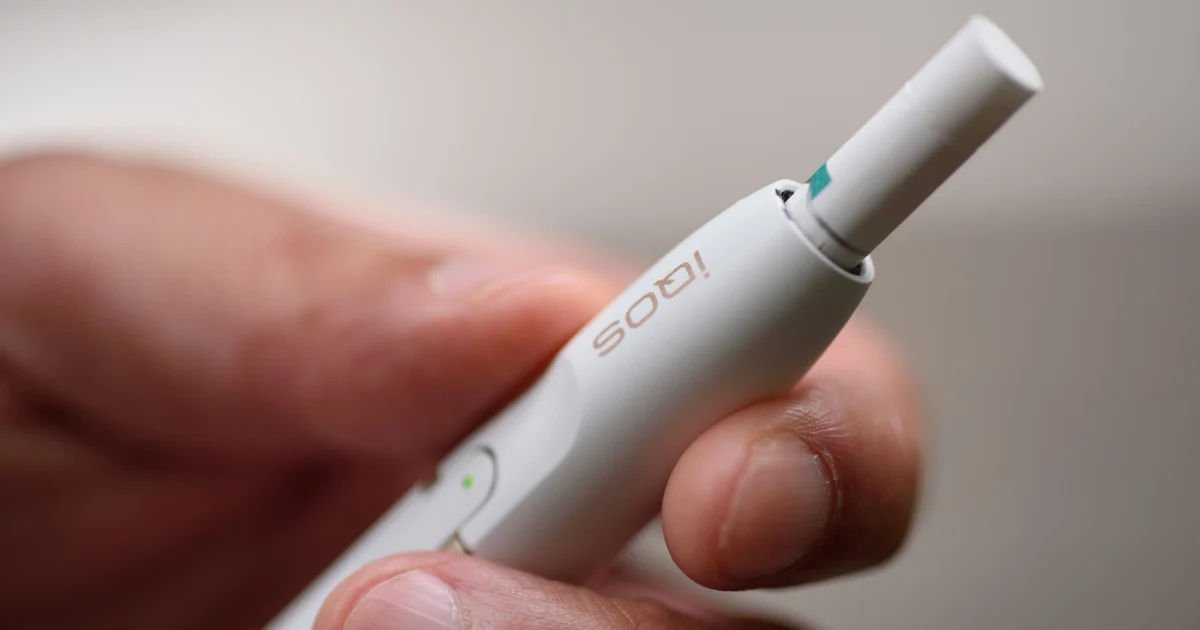
A: IQOS is a heated tobacco device — it heats (not burns) a tobacco stick to generate nicotine vapor rather than smoke. This reduces certain harmful compounds associated with combustion.
Q: Does IQOS make PMI an ESG-friendly company?
A: Not automatically. PMI needs to deliver consistent actions—transparency, harm reduction, regulatory compliance—to be considered a credible ESG entity beyond marketing.
Q: Is IQOS safer than smoking?
A: Some data suggest reduced exposure to certain toxicants, but “less harmful” is not the same as “safe.” Long-term health impacts are still under research.
Q: Are there environmental considerations (battery, waste)?
A: Yes. Device manufacturing, battery disposal, and consumable waste must be managed. PMI publishes KPI protocols to track those metrics.
Q: Can non-smokers or youth use IQOS?
A: No. IQOS is intended for adult smokers who would otherwise continue to smoke. It should not be adopted by non-smokers or youth.
Q: How does PMI report ESG performance?
A: PMI issues Integrated Reports and publishes ESG KPI Protocols, linking executive compensation to sustainability goals.
Q: Are there criticisms of PMI’s ESG claims?
A: Yes—some accuse PMI of greenwashing, argue nicotine risks remain, and caution that ESG awards may not fully reflect health or social costs.